


Free shipping on every order
Thorne Round Glass Wall Sconce, Sand Black IP65 Waterproof LED Outdoor Porch Light for Front Door & Entryway
Thorne Round Glass Wall Sconce, Sand Black IP65 Waterproof LED Outdoor Porch Light for Front Door & Entryway
✔ Sand texture hides fingerprints and rain spotting
✔ Glass diffuser spreads light without a spike
✔ IP65 sealed for fully exposed entrances
Couldn't load pickup availability
Thorne Round Glass Wall Sconce, Sand Black IP65 Waterproof LED Outdoor Porch Light for Front Door & Entryway
Description
Description
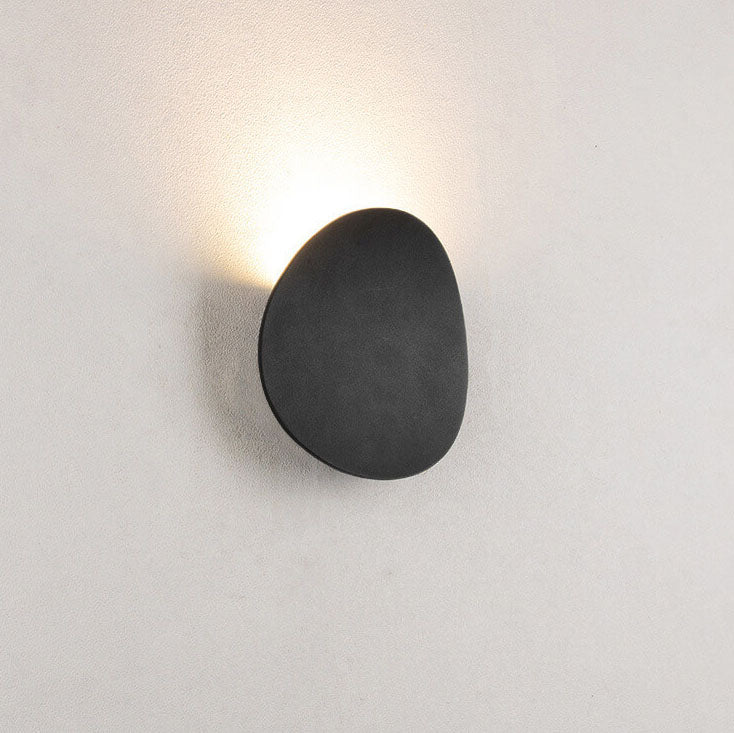
The Thorne is a shallow round fixture with a glass face set into a cast aluminium ring, finished in a fine sand texture rather than a flat gloss. That texture is worth noting because it hides fingerprints and rain spotting far better than a smooth powder coat, which matters on a fixture people walk past at close range every day. It is a detail most listings never mention.
At 18 cm across it is a mid sized sconce, big enough to carry a doorway on its own but not so large that it dominates a narrow pier or a porch return. The glass diffuses the LED so the light spreads rather than spikes, and at 700 lumens it gives a comfortable pool of light around an entrance without turning the whole elevation into a stage. Two of them either side of a door is the natural arrangement.
Sand white and sand black are both available, which covers most modern and traditional facades without argument. The LED is integrated so there is nothing to replace over the life of the fitting, and the fixture is sealed to IP65 for fully exposed positions with no cover overhead. It hardwires to a standard fixed connection and mounts flat against the wall on a concealed plate.
- Cast aluminium ring with glass face
- Sand white or sand black textured finish
- Integrated LED, no replaceable bulb
- 18 cm wide, 18 cm high, 7 cm deep
- 7W, 700 lumens
- IP65 rated for wet locations and full exposure
- Hardwired, 110 to 120V and 220 to 240V
Shipping and Returns
Shipping and Returns
Estimated delivery for this item is 5 to 12 days. Each fixture ships direct from the workshop that makes it, so the window varies from product to product. You will get a tracking number by email as soon as your order is dispatched.
Returns are accepted within 30 days of delivery. Full details are on our Refund Policy page.


More from Brightwell
-
Halden Linear Outdoor Wall Light, Black IP65 Waterproof LED Up Down Wall Sconce for Porch, Patio & Garden Wall
Regular price From $107.99Sale price From $107.99 Regular priceUnit price per$134.9920% -
Slate Flat Panel Wall Light, Ultra Slim Black Silver IP65 Waterproof LED Outdoor Sconce for Passage, Door & Gate
Regular price $99.99Sale price $99.99 Regular priceUnit price per$124.9920% -
Aldridge Gold Trim Wall Light, Black Gold IP65 Waterproof LED Twin Beam Outdoor Sconce for Modern Facade
Regular price $149.99Sale price $149.99 Regular priceUnit price per$187.4920% -
Solstice Solar Ceiling Light, White Solar Shed Light for Workshop, Summerhouse & Garden Room
Regular price $87.99Sale price $87.99 Regular priceUnit price per$109.9920%




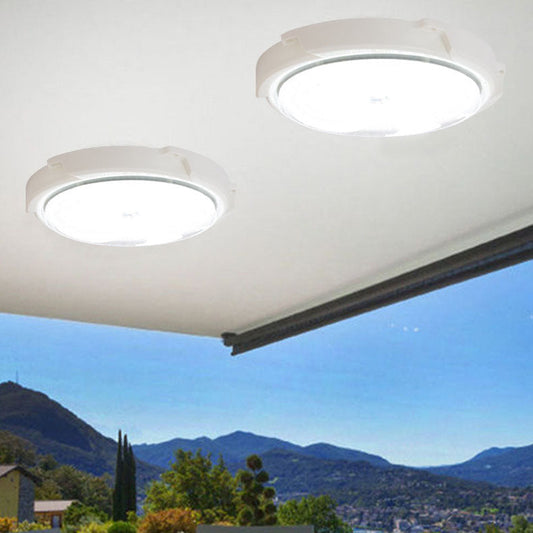

Sized For A Doorway
At 18 cm across it is big enough to carry an entrance on its own, but not so large that it crowds a narrow pier or a porch return. Two either side of a door is the natural arrangement.

A Pool, Not A Spike
The glass face diffuses the LED so the light spreads instead of spiking, and at 700 lumens it gives a comfortable pool around an entrance rather than turning the whole elevation into a stage you walk across.

Finish That Stays Clean
The cast aluminium ring carries a fine sand texture rather than a flat gloss, which hides fingerprints and rain spotting far better than a smooth powder coat. That matters on a fixture people pass at close range daily.
Frequently asked questions
What is the sand finish and why does it matter?
It is a fine textured finish on the cast aluminium ring rather than a smooth gloss powder coat. The texture breaks up reflections, so fingerprints and rain spotting are far less obvious. On a fixture beside a front door, where people pass within arm's reach every day, that keeps it looking tidy with almost no attention.
Which finish should I choose?
Sand black and sand white are both offered. Sand black reads as a strong dark detail on render, pale brick or a light painted facade. Sand white keeps things quiet on white render and grey stone and stops the sconce becoming a dark spot. The glass face and the output are identical.
Can it go on an exposed wall?
Yes. It is sealed to IP65 and rated for wet locations and full exposure, so a front elevation with no porch or eave above it is fine. It hardwires to a standard fixed connection and mounts flat on a concealed plate, so nothing shows around the edge once it is fitted.
How big is it and how far does it stand off the wall?
The sconce is 18 cm wide and 18 cm high, and it projects 7 cm from the wall. That is shallow enough to pass on a narrow porch return or a doorway pier without catching a shoulder, and wide enough to look right on its own beside a standard front door.
Which colour temperature suits a front door?
Two are offered: warm light, which reads soft and yellow and flatters brick, render and timber, and white light, which is crisper and shows detail more honestly. Warm is the safer choice beside a front door. White suits a side passage or a working area where you want to see clearly.