


Free shipping on every order
Ashford Twin Beam Wall Sconce, Black LED Up Down Indoor Wall Light for Hallway, Stairway & Covered Porch
Ashford Twin Beam Wall Sconce, Black LED Up Down Indoor Wall Light for Hallway, Stairway & Covered Porch
✔ Narrow beams wash the wall up and down
✔ Matte black powder coated aluminium holds its colour
✔ Integrated LED with no bulb to change
Couldn't load pickup availability
Ashford Twin Beam Wall Sconce, Black LED Up Down Indoor Wall Light for Hallway, Stairway & Covered Porch
Description
Description
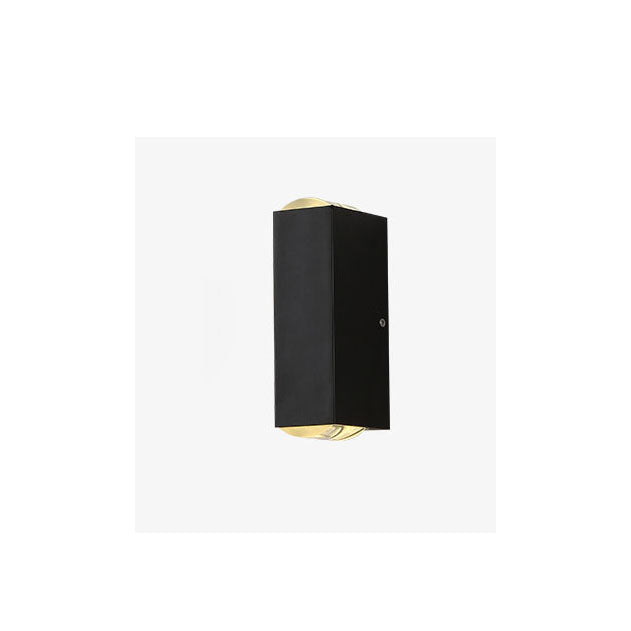
The Ashford is a slim black column that throws a narrow blade of light up the wall and another down it. Two LED sources sit behind recessed apertures at either end, so you see the light on the surface rather than the source itself. Mounted either side of a doorway or spaced along a hallway, the pair of beams reads as architecture rather than as a lamp stuck on a wall. It is a quiet fixture that does a lot of work.
It suits a covered porch, an entrance hall, a stairwell or a sheltered walkway. The fixture is not sealed against rain, so keep it under a roof or a deep eave rather than on an exposed elevation facing the weather. In the right position the effect is understated but genuinely dramatic, picking out the texture of brick, painted render or timber cladding once the light drops.
The body is aluminium with a matte black powder coated finish, chosen because it holds its colour and does not mark easily. The LED is integrated, so there is no bulb to change and nothing to unscrew over its life. It arrives preassembled and hardwires to a standard fixed connection. It is made in a single size, and an adapter for US 10 cm electrical boxes can be sourced separately if your existing backplate needs one.
- Matte black powder coated aluminium body and shade
- Two integrated LED sources, up and down beams
- Supplied in a single size
- Choice of warm 3000K or white 6000K light
- Dry location only, not rated for exposed weather
- Hardwired, 100 to 120V and 220 to 240V
- Arrives preassembled, ready to hardwire
Shipping and Returns
Shipping and Returns
Estimated delivery for this item is 5 to 12 days. Each fixture ships direct from the workshop that makes it, so the window varies from product to product. You will get a tracking number by email as soon as your order is dispatched.
Returns are accepted within 30 days of delivery. Full details are on our Refund Policy page.


More from Brightwell
-
Halden Linear Outdoor Wall Light, Black IP65 Waterproof LED Up Down Wall Sconce for Porch, Patio & Garden Wall
Regular price From $107.99Sale price From $107.99 Regular priceUnit price per$134.9920% -
Slate Flat Panel Wall Light, Ultra Slim Black Silver IP65 Waterproof LED Outdoor Sconce for Passage, Door & Gate
Regular price $99.99Sale price $99.99 Regular priceUnit price per$124.9920% -
Aldridge Gold Trim Wall Light, Black Gold IP65 Waterproof LED Twin Beam Outdoor Sconce for Modern Facade
Regular price $149.99Sale price $149.99 Regular priceUnit price per$187.4920% -
Solstice Solar Ceiling Light, White Solar Shed Light for Workshop, Summerhouse & Garden Room
Regular price $87.99Sale price $87.99 Regular priceUnit price per$109.9920%

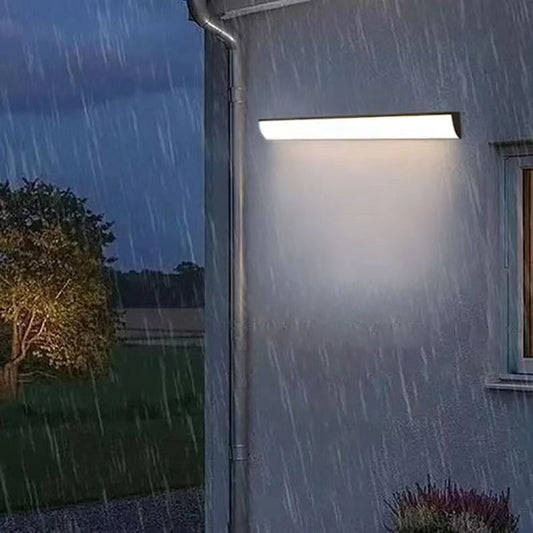

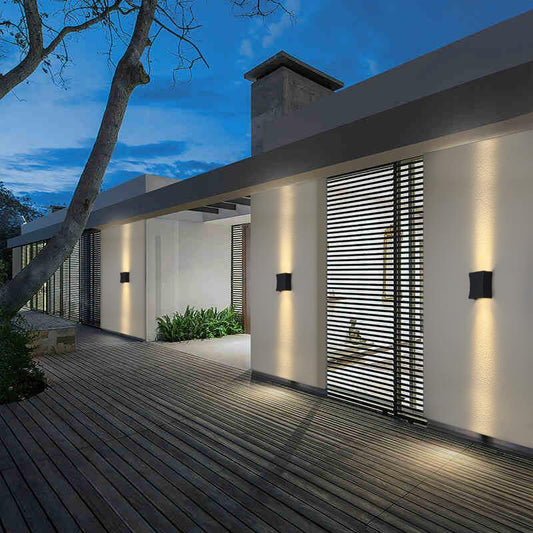

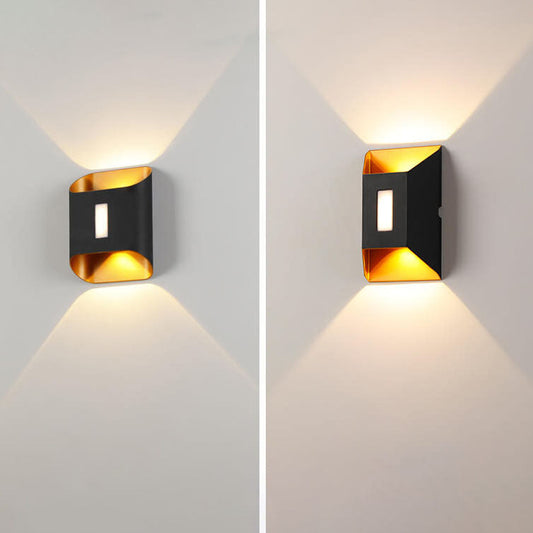


Placed Where Rain Cannot Reach
Fit it in an entrance hall, along a stairway or on a covered porch under a deep eave. The housing is not sealed against rain, so keep it under a roof rather than on an exposed elevation.

Light On The Surface
The two LED sources sit behind recessed apertures, so what you notice is the light on the brick, render or timber rather than the source itself. Once the sun drops the beams pick out the texture of the wall.

Fit It And Forget It
The aluminium body carries a matte black powder coated finish that holds its colour and does not mark easily. The LED is integrated, so there is no bulb to change, and the fixture arrives preassembled ready to hardwire.
Frequently asked questions
Can I fit this on an exposed outside wall?
No. The Ashford is not sealed against rain, so it needs a position with cover overhead. A covered porch, a deep eave, an entrance hall, a stairwell or a sheltered walkway all suit it. If the wall you have in mind faces the weather with nothing above it, choose a fixture that is weather rated instead.
Which colour temperature should I choose?
Two are offered. Warm light at 3000K suits an entrance hall or a covered porch where you want the wall to look soft and settled. White light at 6000K is much crisper and is the one to pick where you want clear visibility rather than atmosphere, on a stairway or a walkway you use every day. The choice comes down to warmth or clarity in that position.
How does it fix to the wall?
It arrives preassembled and hardwires to a standard fixed connection, so the install is the backplate, the wiring and the fixture itself. There is nothing to put together on site. If your existing backplate is a US 10 cm electrical box, an adapter for it can be sourced separately.
Do I need to buy a bulb?
No. The two LED sources are integrated into the body, so there is nothing to fit at install and nothing to unscrew later. That is also why the apertures can be recessed the way they are. With no lamp holder to accommodate, the housing stays slim and the sources stay out of sight.
What does the up and down beam actually look like?
Two integrated LED sources sit behind recessed apertures at either end, so you get a narrow blade of light up the wall and another down it. What you notice is the light on the brick, render or timber rather than the source. Mounted either side of a doorway or spaced along a hallway, the pair of beams reads as architecture rather than as a lamp stuck on a wall.